
Royal House
Bhaddilpur
An ancient capital celebrated for its piety, prosperity and patronage of śramaṇa traditions. Its dust is sanctified by the footprints of a Tirthankara.
A serene introduction to the Tenth Tirthankara — his birth in the sanctified land of Bhaddilpur, his royal Ikshvaku heritage, and the timeless reverence he commands across Jain tradition.
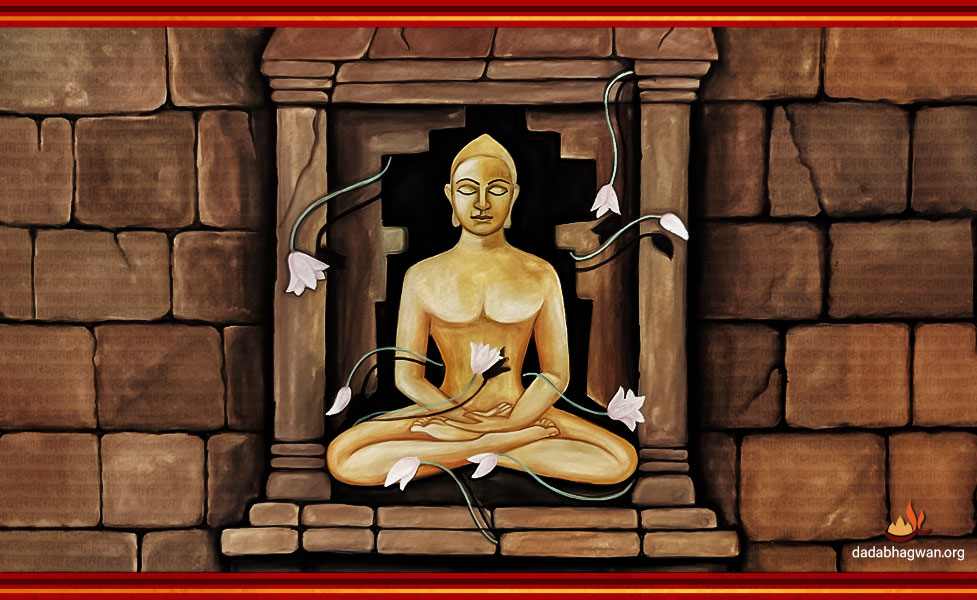
The very name Shitalanatha — from śīta, ‘the cool’ — is a teaching in syllables. It is said that even before his birth, his mother experienced an inexplicable serenity, and the Royal palace of Bhaddilpur was bathed in a luminous coolness that the wise interpreted as the descent of a great soul.
Born to King Dradhrath and the radiant Queen Nanda on the auspicious twelfth day of the dark fortnight of Magha, Shitalanatha came into the world as the Tenth Tirthankara of the present cosmic age. He was of the celebrated Ikshvaku dynasty — a solar lineage from which many a Tirthankara has illumined the cycle of time.
From boyhood, signs of his exalted destiny were unmistakable. He was learned without instruction, equanimous without effort, and detached without austerity. His subjects beheld in him not a future king alone, but a future Jina — a conqueror of the inner self.
The Ikshvaku dynasty — a solar lineage of righteous monarchs — gave the world several Tirthankaras. To be born of this lineage was both a blessing and a calling. Shitalanatha embraced both with quiet majesty.
An ancient capital celebrated for its piety, prosperity and patronage of śramaṇa traditions. Its dust is sanctified by the footprints of a Tirthankara.
A monarch whose firmness (drdha) of dharma ensured that the realm was a fitting cradle for the great soul that would arise within it.
Of luminous virtue, she beheld in dream the sacred symbols of a Tirthankara’s descent — an annunciation of cosmic significance.
Shitalanatha holds a singular place in the hearts of Jain devotees. He is invoked when the mind is troubled by heat — the heat of anger, of anxiety, of restlessness. To meditate upon him is to feel the coolness of a moonlit temple courtyard at dawn.
Both Digambara and Svetambara traditions honour him with elaborate hymns, sacred rituals and breathtaking iconography. Temples dedicated to him stand from Bhaddilpur to Champapuri, from medieval Gujarat to modern Kolkata, each a portal to his luminous presence.

In Bhaddilpur, on Magha Krishna Dwadashi.
Of unusual serenity, intellect and grace.
Casting aside crown for the seeker’s path.
The dawning of Kevala-jñāna.
To know him is to know the cool fragrance that lingers in the courtyards of liberation — eternal, simple, untouched by the heat of the world.— A Jain Devotional Reflection